Welcome, welcome!
Come on over and have a cup of tea, grab a cupcake and make yourself comfy! Today I'm doing a small celebration in honour of the one year anniversary of one of my absolute favourite books from last year, the impressive debut YA novel of
Sharon Biggs Waller,
A Mad Wicked Folly!
I saw quite a few raging reviews for
A Mad Wicked Folly from some trusted bloggers and when I decided to give it a try myself I was blown away and fell head over heels in love with the book! So much that whenever I've been asked about a book to recommend or to include in any sort of Top 10 list, it's quite probably the first one to pop into my mind, even if I read it in the first months of the year. You can check my review
HERE.
I got to talk to the author, Sharon via Twitter and she was amazing and friendly and an absolute joy to talk to, and when I went on my "find myself alone" trip to the US, I met with her (and my dear Sarah!) for lunch and some historical sites visit in Chicago!
So when the idea of making a lil celebration for the book's first anniverasy of release day popped into my head, I asked her for an interview, and we had a wonderful Skype chat, with plenty of time rambling and talking not only about Folly, but about her upcoming book for 2016 and for the one that's asking to be written right after (which I'm DYING for now!!).
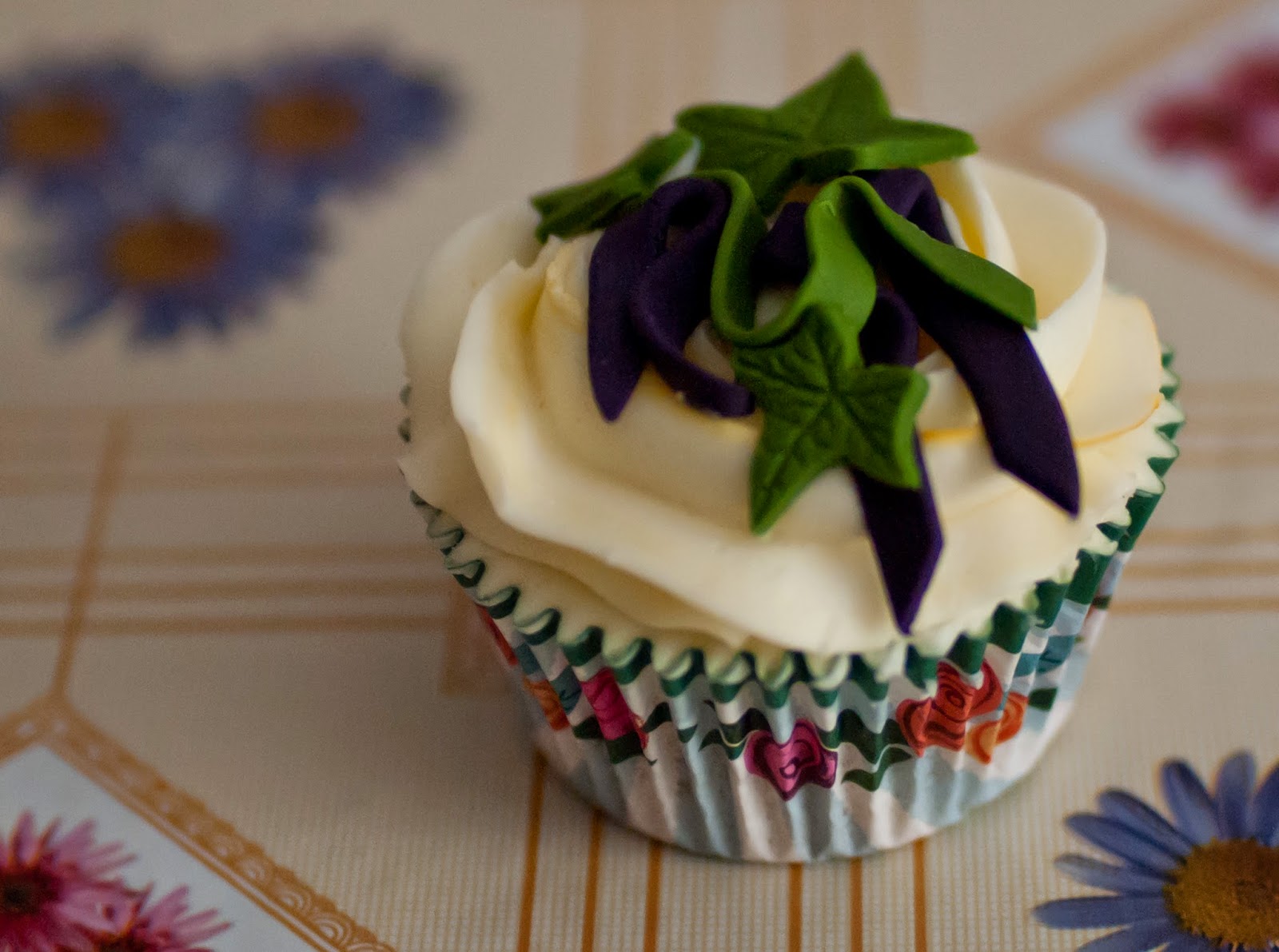
No celebration is complete without some sweet confections, and so I want to share again my
Ink & Batter cupcakes inspired by
A Mad Wicked Folly!
And now let's welcome Sharon Biggs Waller so she can tell us a bit more about her writing journey and her inspiration for
A Mad Wicked Folly!
A Mad Wicked Folly was your debut as a fiction writer, but you had
written non-fiction before. How different is writing fiction vs
non-fiction for you?
Writing non-fiction is
easier in a way, since you don't depend so much on inspiration to
strike. You’re given someone to interview or a topic to write about,
and you can jump right it. It’s important to find a good hook in order
to draw people in—very much like you'd do with fiction. With non-fiction
you can hit a deadline more easily as long as you have your
information, but with fiction it depends on how well you know your
characters and your story. That can take a lot of time.
When you moved into writing fiction, what made you choose historical fiction over other genres?
When
I was a park ranger I started out working at historical sites in
Indiana Dunes National Lakeshore, and I was responsible for writing and
giving programs to the public and area schools. My specialty was the
Voyageurs who had traveled through the area, trading with the Indians
and settlers. I absolutely loved this part of my job. I was fascinated
with the Voyageurs’ history and their personal stories.
So later when I
started writing fiction, I wrote contemporary Judy Blume type stories
and horse stories, which were popular and more marketable. But my
imagination never really sparked to life until I returned to those
stories from the past.
How did you choose the Edwardian era to start writing your first
story? What's your writing process like?
I’d
written two contemporary middle graders that didn't go anywhere. I had
so much to learn so I started going to conferences, joining critique
groups, reading lots of books on writing, and just learning the craft of
writing fiction. When I moved to England my husband and I bought a
beautiful Edwardian armoire and dressing table. I became fascinated by
that era, and I started learning more about it.
As
far as my writing process goes, once a story gets in my head it keeps
on poking at me like "write me, write me now!" I start writing down
ideas in notebooks—I usually end up with about three notebooks for each
book. All the ideas, research, details, everything is in there. Every
notebook has a key list for reference and also many colourful post-its!
I'm not a “pantser” at all, but I don't write a formal outline either.
Instead I write a list of short descriptions for important scenes that
will tell the story. And then I imagine the entire story in my head
before I start writing so I have a general idea of where it’s going to
go. Until the story is at that point I don’t start writing, aside from
bits of dialogue or description that I’m playing with, sort of how
artists make informal sketches. It’s too easy for me to get sidetracked
and I end up tearing out loads of stuff that doesn’t serve the story.
(One time I dumped one hundred pages!) That kind of writing takes too
much energy and it’s too painful to delete work.
Did
Vicky as an artist arrive first or was the pledge & fight of
the Suffragettes what solidify first in you mind once you chose the
Edwardian era story?
While I was living in
England I’d often pass this statue of Emmeline Pankhurst and it inspired
me to write about the suffragettes. At first Vicky came from a
collection of stories I’d written that wasn’t really gelling as a book
so I decided to work on her story only. I went through so many
revisions with FOLLY. At first Vicky felt too sheltered and she lacked
drive, so I thought I would give her a passion for something. I made her
a jewelry maker but that wasn’t a good fit for her, so I passed to on
to her friend Lucy. When I got to know her character better I realized
she would make the perfect artist, especially one that refused to paint
in the approved standards for women. Going for the forbidden art gave
her the drive and motivation to fight for what she wanted out of life.
Given
her fight, what do you think Vicky's opinion would be about all the
girls that have been saying in social media that they're not feminists
because those problems aren't theirs and don't concern them?
First
of all, Vicky would be fascinated by what's been achieved, and she'd
want to wear jeans all the time! But she'd also be shocked about how
sheltered some women can be given the fact that even if we've made a lot
of progress, there's still a long way to go. In a place like the US
there's problems with equal pay for equal work, no equality on political
representation, and there’s still a limitation of reproductive rights
for many women.
You posted a song on Facebook called Brave by Sara Bareilles and said that Vicky would have loved it. What part of the lyrics would have resonated the most with her?
The
song as a whole has a fantastic message to let yourself be heard and
not to let other push you down, but these are the ones I'm sure Vicky
will find most relatable to her situation:
Maybe there’s a way out of the cage where you live
Maybe one of these days you can let the light in
Show me how big your brave is
Vicky
lives in a golden cage, and she tries to find her voice but she keeps
getting pushed down. She finally discovers that the way to make herself
be heard is through her art.
And here's the video for the song that Sharon shared, and I have to agree with her that it's a great song, and one that reminds us to be brave and not be afraid to speak up for ourselves!
Thank you so much Sharon for a wonderful chat and so much information on your process and the world of Vicky!
And guys, you need to check this book out if you haven't yet! A must if you love historical fiction and if you don't think it's your genre, it might even change your mind!!

 About the author: